
Light Truck Tires
Light Truck Tires in Waco, TX
Tires that can handle the work your truck does, from job sites to county roads to the trailer behind you. Honest advice from a family-owned shop that's served Waco for decades.
Signs It's Time
When Your Truck Needs New Tires
Your vehicle usually lets you know when it's due. Here's what to watch for.
Chips, Chunks, or Cuts
Gravel, rock, and job-site debris can tear pieces from the tread and weaken the tire.
Shallow Tread
A loaded truck already needs room to stop, and worn tread makes it worse in the rain.
Uneven Wear
Wear in the center or on the edges often means your pressure isn't matched to the load you carry.
Bulges or Sidewall Damage
A bulge or a cut in the sidewall weakens the tire. Have it looked at right away.
Tire Types
The Right Tire for the Work You Do
Highway
Built for pavement miles, with a quieter ride and longer tread life.
All-Terrain
Grip for gravel, caliche, and job sites, with manageable road noise.
Mud-Terrain
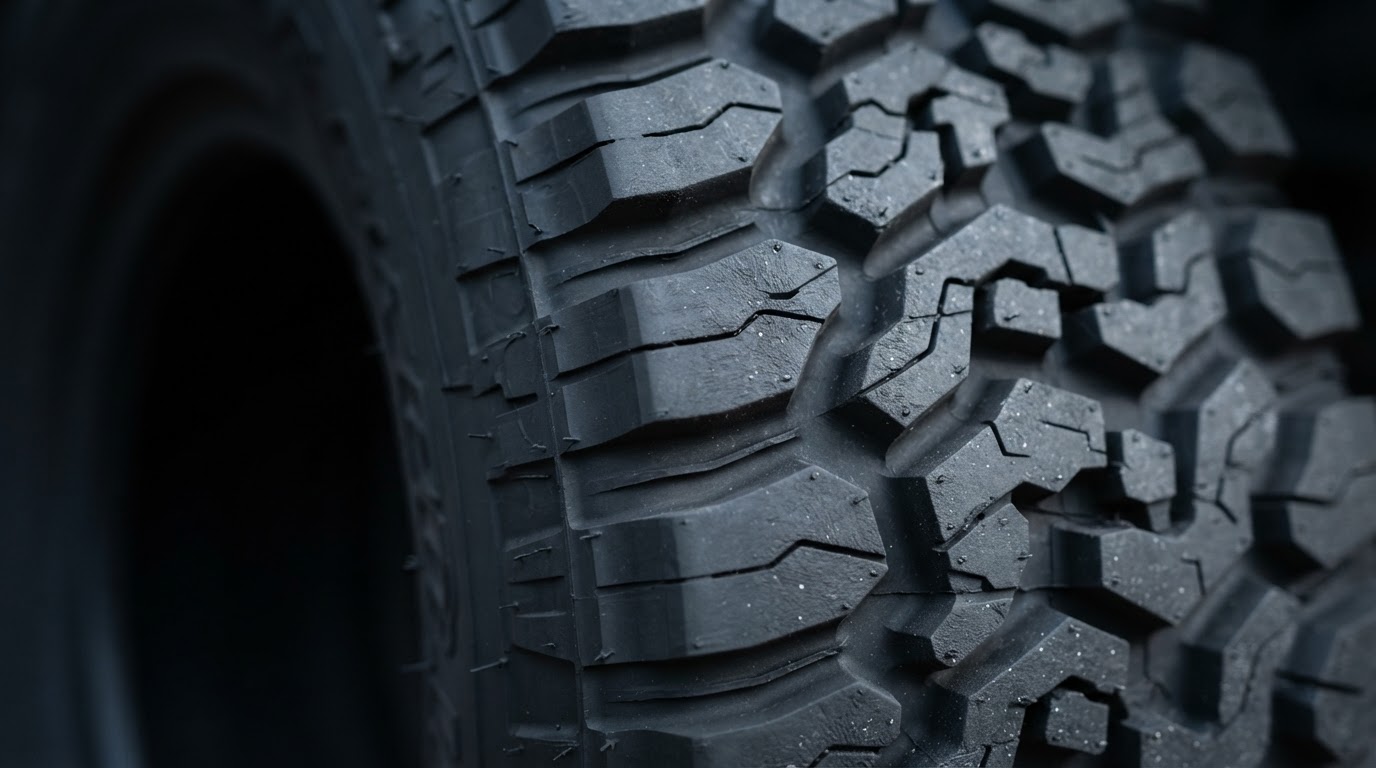
Aggressive tread for deep mud and serious off-road use, but louder and shorter-lived on pavement.
Heavy-Duty LT
Load Range D and E tires for heavy hauling and frequent towing.
How It Works
How We Help You Choose
Tell Us About the Work
What your truck hauls, how often you tow, and where it goes.
We Check Your Specs
We look up your size, load index, and load range so every option can carry your work.
We Lay Out Your Options
You'll see choices at different price points, and we'll explain the tradeoffs in plain language.
We Install and Inspect
We install your tires, look over your tire wear and suspension, and let you know if an alignment is needed.
Local Know-How
Truck Tires for Central Texas Work
Trucks around Waco earn their keep. Plenty of them spend the week on job sites, caliche ranch roads, and county roads, then pull a boat or a stock trailer on the weekend.
That kind of work is hard on tires. Sharp rock and debris can cut a sidewall, and heavy loads in summer heat push tires to their limits. The right load range and tread make the difference between a tire that lasts and one that fails on the job.
Tell us what your truck hauls and where it goes, and we'll match tires to the work, not just the size.
Why The Tire House
Why Waco Drivers Trust The Tire House
Deep Waco Roots
People have trusted this shop with their cars for decades. Some of our regulars bought their first set of tires here in high school.
You Approve Every Price
We never do extra work without your okay and an agreed price. No surprises when you pick up your keys.
Family-Owned
We're family-owned and local. When you call, you talk to people who live and drive here too.
ASE-Certified Mechanics
Our mechanics are ASE-certified. Your work is done by trained hands, not guesswork.
Light Truck Tire FAQ
Light Truck Tire Questions, Answered
Load range is a letter that tells you how strong an LT tire is built and how much air pressure it can hold to carry its rated load. In most common sizes, Load Range C is rated like an old 6-ply tire and maxes out at 50 psi, Load Range D is 8-ply and 65 psi, and Load Range E is 10-ply and 80 psi. Some wider sizes use lower pressures. Your replacement tires should match or exceed the load range your truck came with.
Not always. Many half-ton trucks come from the factory with passenger tires, built for a smoother ride and better fuel economy. Load Range E tires are stiffer and heavier, so they ride firmer and can cost you a little at the pump. They make sense if you tow heavy or haul often. Three-quarter-ton and one-ton trucks usually come with LT tires, and those should be replaced with LT tires of at least the same load range.
No. ST tires are built for trailers only, with stiff sidewalls for carrying weight in a straight line, not for the steering, braking, and traction a truck needs. Most are also rated for only 65 mph. On your trailer, use the tire type and load rating the trailer maker specifies, and on your truck, stick with passenger or LT tires.
Only if you regularly drive through deep mud or rough off-road trails. Mud-terrain tires have big, widely spaced tread blocks that clear mud well, but they're loud on pavement, wear faster, and use more fuel. For job sites, gravel, and caliche roads, a good all-terrain tire usually gives you the grip you need with less noise and longer tread life.
Taller tires change more than the look. Your speedometer and odometer will read low, because each turn of a bigger tire covers more ground. The extra weight can slow acceleration, lengthen braking, and lower fuel economy, and the tires need room to turn and flex without rubbing. A leveling kit also changes your alignment, so plan on one afterward. Talk to us before you buy, and we'll help you pick a size that fits and still carries your load.
No. The number on the sidewall is the most the tire can safely hold, not the pressure your truck needs. Running it all the time, especially with an empty bed, makes the ride harsh, wears out the center of the tread, and gives you less grip. Use the pressure on your door sticker, and follow your owner's manual if it lists a higher pressure for heavy loads or towing.
Yes. The two tires on each side of a dually's rear axle share the load, so they should be the same size and close in tread depth. If one tire is taller or has more tread than its partner, it carries more than its share of the weight and can overheat or wear out early. Keeping both at the right pressure matters just as much.
Not sure what your truck needs? Call us at (254) 753-0119 — we're always happy to talk it through before you commit to anything.
Get the Right Tires on Your Truck
Call us with your truck's year, make, and model, and tell us what it hauls. We'll help you sort through the options, no pressure.
Serving Waco & Central Texas